






Merge 2048 Review: A Tidy Drop-and-Merge Puzzle With Teeth
Merge 2048 turns number merging into a drop puzzle: drag a block, release, and hope your stack survives gravity. It is easy to read, but crowded boards expose a few fussy placement edges.
Setup Time
The start is admirably plain. You drag a block, release it, and watch matching values combine when they meet. There is no lengthy tutorial wall, which suits the format. The downside is that the game assumes you will learn some spacing habits through failure, and a few early mistakes feel more like interface impatience than strategy.
First Checkpoint
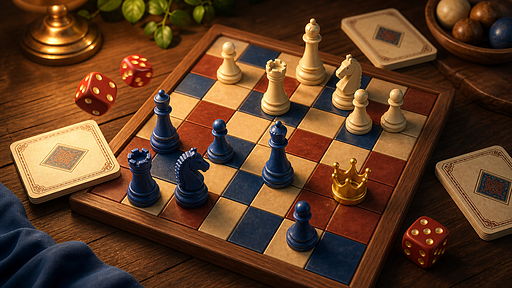
The first satisfying stretch comes when low blocks chain upward and clear a pocket you were about to lose. Classic mode is the cleaner option, while Shape Mode adds a small spatial wrinkle that makes placements feel less automatic. The controls are responsive enough on desktop and touch, though a tiny misdrop can sour a careful sequence.
Longer-Session Checkpoint
After several rounds, the game becomes less about chasing the next merge and more about preserving lanes. The TNT block is useful because it gives you a way to correct one ugly stack without pretending the mistake never happened. The score and title progression add light structure, but they do not fully disguise the repetition once you settle into a cautious rhythm.
What Annoyed Us
The red-line pressure works, but it can also make late boards feel cramped in a slightly blunt way. I wanted a clearer preview of how awkward shapes would settle, especially when a near-perfect placement was spoiled by a small alignment issue. Still, the failure usually feels earned rather than random, which is more than many merge puzzles manage.
Final Read
Merge 2048 is strongest when treated as a compact strategy puzzle, not a mindless tapper. It has 90% community approval rating, and that tracks with the clean presentation and steady merge payoff. It is not especially surprising, but it is sturdy, readable, and better balanced than its simple premise suggests.
What works well
- Drop-based merging gives the familiar formula a sharper spatial edge.
- Classic and Shape Mode create meaningfully different placement decisions.
- TNT blocks help recover from clutter without removing all consequence.
What to know
- Late boards can feel cramped before they feel strategically rich.
- Shape placement previews could be clearer during tight drops.
Tips
- Keep one side of the container reserved for smaller Classic mode blocks.
- Use the TNT Block before the red line pressure becomes unmanageable.
- In Shape Mode, leave irregular gaps only when a matching shape can realistically land there.
- Watch score progression, but prioritize clean lanes over risky high-value merges.
Verdict
Merge 2048 is a polished browser puzzle with enough tactical friction to outlast a coffee break. Its best moments come from rescuing a messy board with one precise drop, while its weakest moments come from slightly fussy placement at the top of a crowded stack. I would keep it bookmarked, though I would not pretend it reinvents the merge genre.
FAQ
Yes. PIVND.com keeps this as a browser puzzle, strategy, and merge game page with the playable frame, control notes, device context, and related games in one place.
Check the control note first: Desktop: Drag by clicking the left mouse button , and leave the button to drop the block.. That is the quickest way to decide whether the game fits your device and patience level.
desktop and mobile browsers are both represented. If the controls feel cramped, switch devices or use the related-game links to find a better match.