PIVND game guide · Recorded notes and editorial analysis
Gas Station Simulator editorial guide
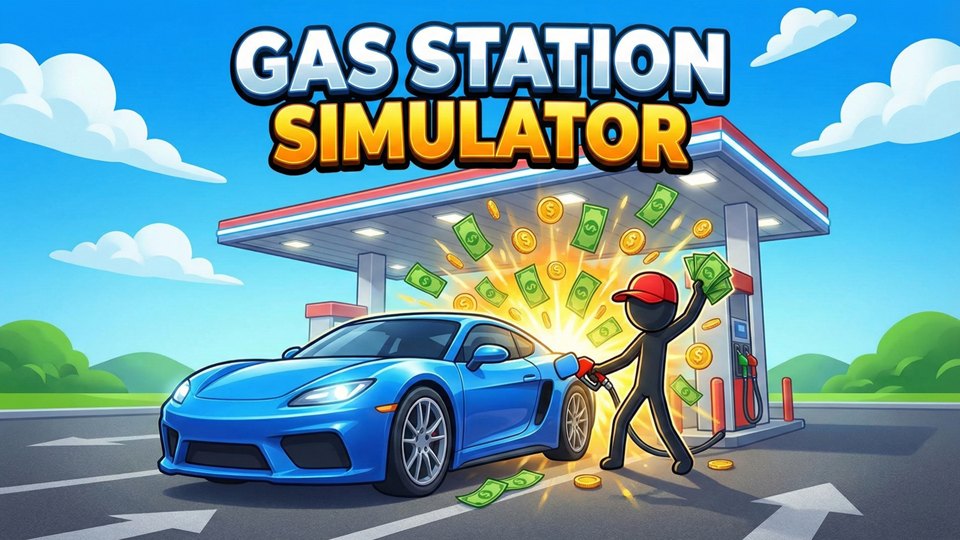
Game cover · Source: Playgama
Despite the simulator name, this is a light movement-driven management game. The appeal is watching a small station become more efficient through pumps, staff, and service-speed improvements. It is easier to read as an incremental business loop than as a realistic fuel-station model.
Historical record date
2026-08-12
Evidence boundary
Historical written notes · actions not fully reverified
Opens Playgama in a new tab. Its advertising, privacy rules, and game availability apply there.
How it works
Gameplay structure
Cars arrive and wait for service. The player completes the relevant station action, collects the resulting cash, and reinvests it into capacity or automation. More pumps allow additional customers to be handled, staff reduce how much work must be done personally, and speed improvements shorten the service cycle. Expansion therefore changes throughput rather than introducing detailed vehicle repair, fuel pricing, inventory contracts, or other systems associated with a full business simulator.
Input check
Controls and input guidance
Desktop
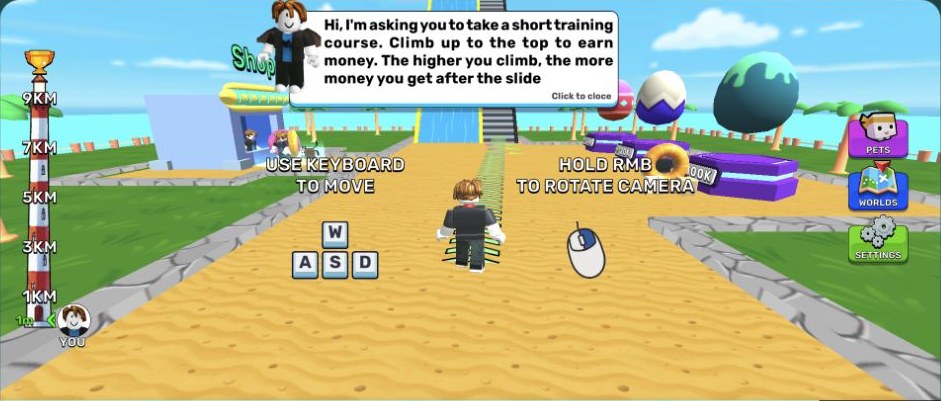
WASD moves through the station, while mouse interaction handles nearby actions and upgrade choices in the historically recorded build.
Mobile
Touch controls move the character and activate the station interface. Approach the intended service point before tapping to avoid selecting a nearby prompt.
Editorial suggestions
Practical tips
Watch where cars queue before buying an upgrade; a full pump line suggests capacity, while slow individual service suggests speed.
Hire staff when repeated manual trips are preventing cash collection or expansion decisions elsewhere in the station.
Collect earnings before walking to a purchase point so the next upgrade cycle does not require an unnecessary return trip.
Balance automation with capacity—a fast employee cannot solve a queue if too few pumps accept cars.
Worked decision · editorial reasoning
A decision to make before your next move
Situation: Constructed station state using the recorded service loop: two pumps are occupied, cash waits at a completed service point, a car queues at the entrance, and you can either collect that cash or spend on another pump. These conditions illustrate a diagnosis, not a recorded timed run.
What to consider: First clear the completed service and collect its cash. Check what changes: if the queue advances, service turnover was the immediate constraint. If both pumps are actively serving and the queue stays, capacity is a candidate. If a pump sits empty while cars wait, inspect access or the next required manual action before buying capacity.
Why: The visible queue alone does not distinguish a full station from a blocked handoff. An extra pump can add another stop to your walking route without clearing an uncollected service. Staff is worth inspecting when repeated manual handoffs prevent work elsewhere; its benefit still depends on which task it automates. The historical notes establish movement, service, collection, pumps, and staff, but contain no timed returns or optimal purchase order.
This example explains the documented rules; it is not a new measured play session.
Play this if…
Best for players who enjoy incremental businesses, visible expansion, light movement, and gradually replacing manual service with staff and faster systems.
Skip this if…
Skip it if you want realistic fuel pricing, inventory management, car repair, or a complex management dashboard with competing financial risks.
A useful alternative
Gas Station Simulator or Piece of Cake: Merge & Bake?
Both convert repeated actions into visible business restoration. Gas Station Simulator uses movement, customer service, and staffing; Piece of Cake’s supplier description presents a merge board for producing dishes and funding café repairs; its gameplay is not independently verified.
The August 12 written notes report that the reviewer entered the station area, moved around the site, served arriving cars, collected cash, and inspected the interfaces for adding pumps, hiring staff, and improving service speed.
Record boundary: This guide analyzes surviving August 12 written notes. The reported actions have not all been independently reconstructed; retained stills support only their visible screens, not every input, outcome, or completion claim. The mechanics and advice below should be read within that historical scope. Browser version, device model, and measured session duration were not recorded. Mobile instructions describe available controls, not a new touch-device test.
Cash must be collected and converted into improvements, making movement between service points part of the management pace.
Pumps, staff, and service speed address different bottlenecks: customer capacity, automation, and processing time.
The historical notes describe incremental service upgrades, without documenting detailed maintenance or realistic fuel-market decisions.
Source, independence, and advertising
The game’s recorded provider is Playgama. PIVND supplies the editorial analysis. The dated scope above identifies historical notes, supplier information, and any retained capture. PIVND is not the game's developer or publisher.
Available games open on the official Playgama website in a new tab. PIVND does not embed games or load their advertising. The provider’s privacy and advertising rules apply on its site. See our content sources and review method for source and evidence boundaries.
Editorial version: 2026-10-20. Live game details can differ from the dated sources above.
Review revision history
Checked source-supported mechanics, corrected unsupported details, and moved extended evidence notes behind the practical guide. No new gameplay session is claimed.
Originally published as a guide attributed to August 12 browser notes; later corrections and evidence limits are recorded below.
Added a structured evidence disclosure and revision record; this was an editorial audit, not a new gameplay session.
Removed embedded play in favor of provider-page links and aligned the content label with its evidence basis. This is not a new gameplay test.
Attributed surviving written notes explicitly and separated reported actions from independently visible screenshot evidence. No new play session is claimed.
Condensed repeated review sections and added a labeled editorial decision example. This is a content edit, not a new play session.
About this Gas Station Simulator guide
A historical browser guide to Gas Station Simulator covering its service-and-upgrade loop, pumps, staff, cash collection, movement controls, idle-like progression, and limits as a detailed business simulation.